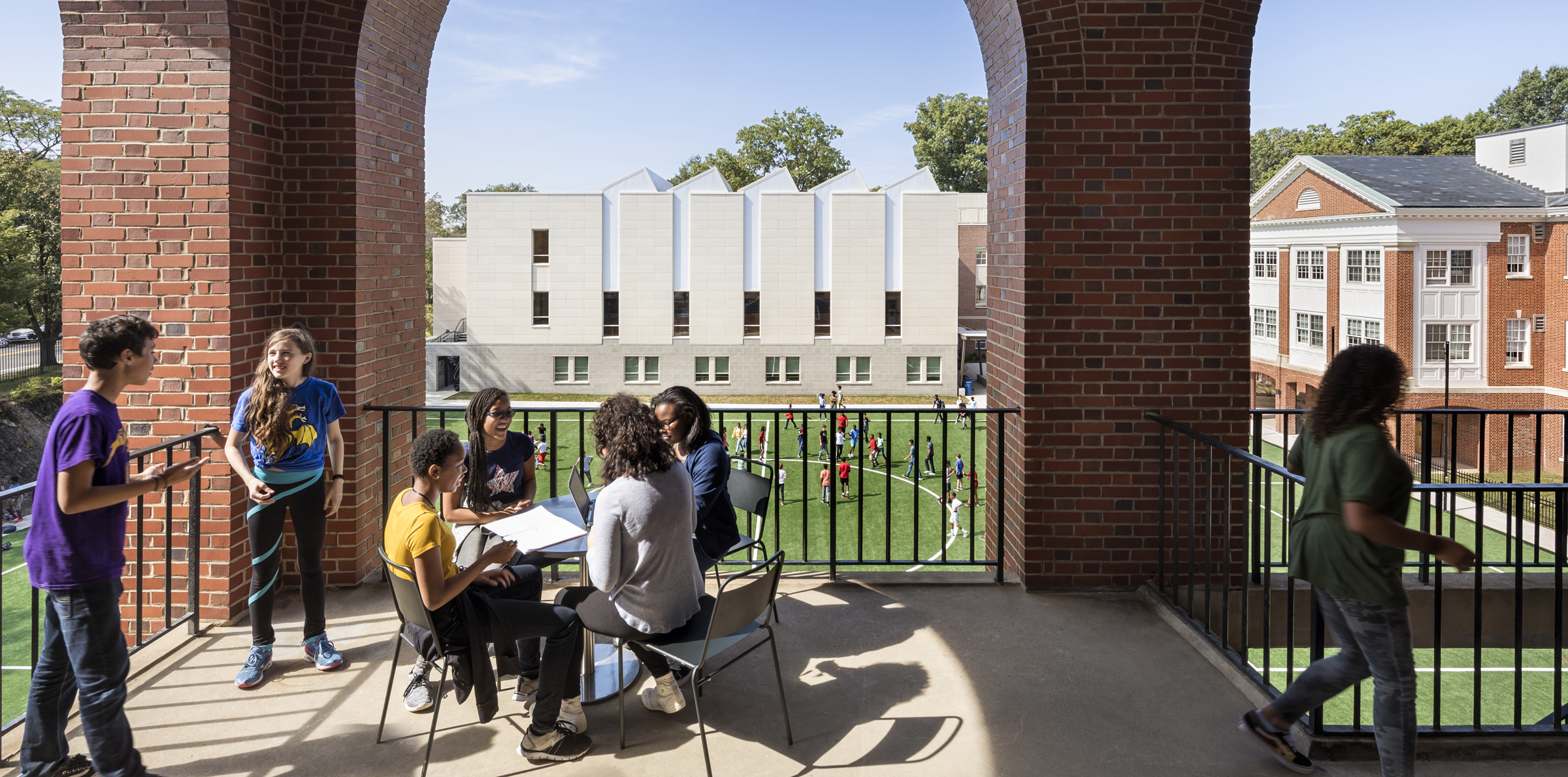
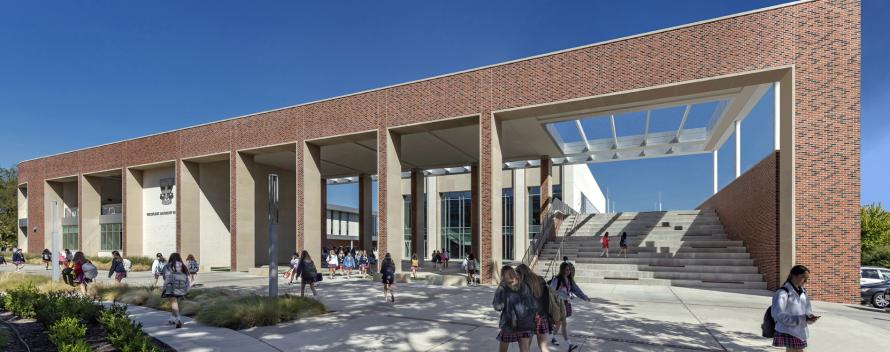
District of Columbia International School, Washington, D.C. Photo credit: Andrew Rugge/Perkins Eastman
Center for Green Schools
The Center for Green Schools at the U.S. Green Building Council is a global leader in advancing green schools and providing the resources needed to create sustainable, healthy, resilient, and equitable learning environments. We are driving the green school movement by working directly with those implementing sustainability within school systems and offering a wide array of initiatives that accelerate action.




Latest news and insights

Apr 22, 2024
Join the Center for Green Schools at an in-person summit in 2024
Read
Apr 09, 2024
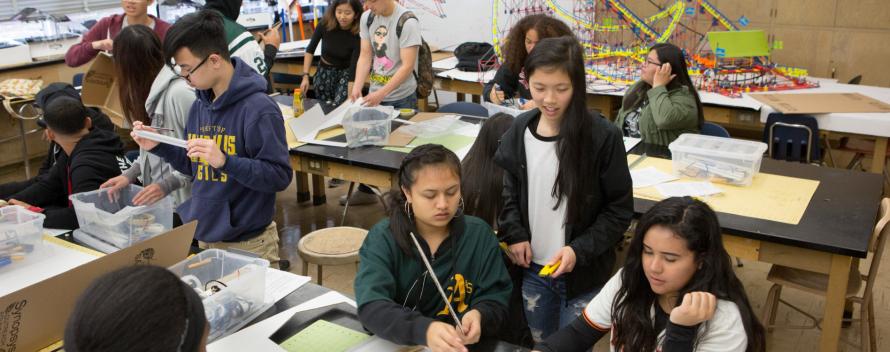
New research library on school health released by the Center for Green Schools
Read
Apr 05, 2024
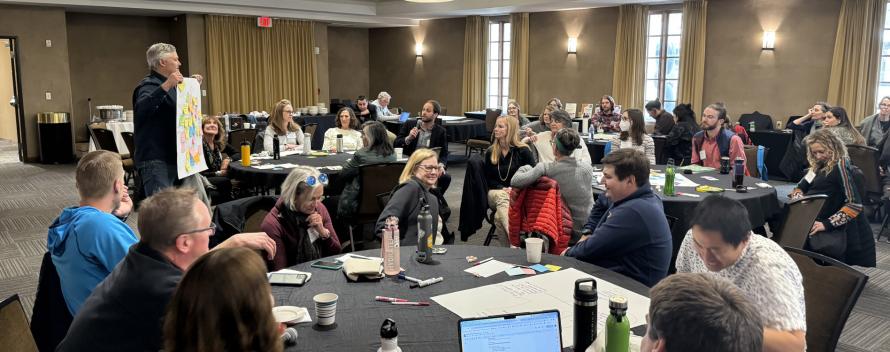
Reflections from the 2024 School District Leadership Summit
Read
Mar 18, 2024
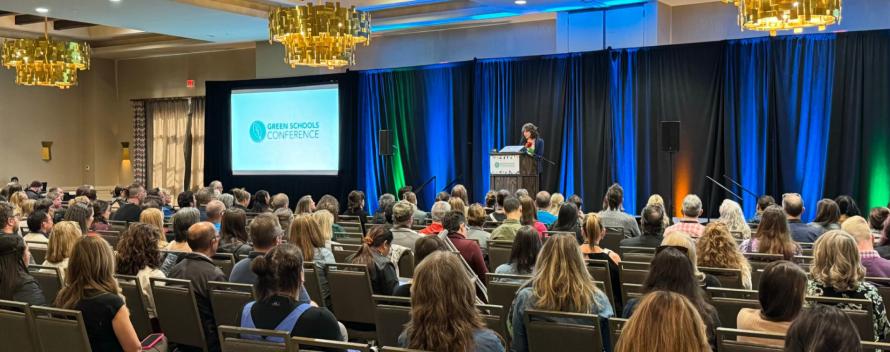
Recap: The 2024 Green Schools Conference celebrates sustainability in Santa Fe
Read
Mar 12, 2024
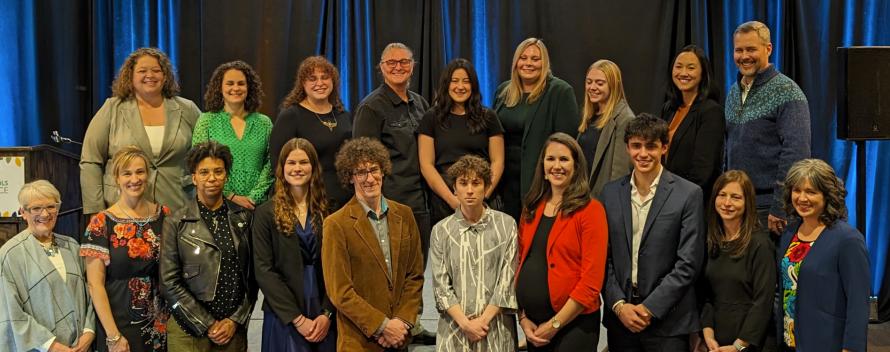
2024 Best of Green Schools winners announced
Read
Mar 11, 2024
Class of 2023: View the LEED-certified schools from last year
Read

Mar 06, 2024
Center for Green Schools at USGBC Announces 2024 “Best of Green Schools” Award Recipients
Read

Feb 21, 2024
Youth climate action panelists announced for the 2024 Green Schools Conference
Read